
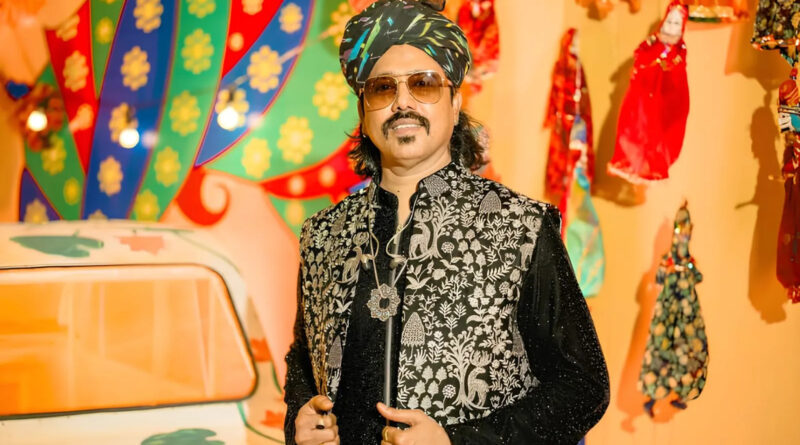
Mame Khan Takes Rajasthani Manganiyar Folk Music to Global Audiences, Says Music Is Like Breathing
New Delhi: Rajasthani folk singer Mame Khan has spoken about the cultural traditions that shaped his musical journey, describing how music, family life and the heritage of the Manganiyar community remain closely connected.
In a conversation published on Monday, Khan reflected on his childhood in Satto village in Rajasthan’s Jaisalmer district, where music was part of everyday family life.
He recalled growing up in a household where his parents and siblings regularly sang. His father’s early-morning musical practice, or riyaz, also played an important role in shaping his discipline and understanding of music.
Khan said folk music was not simply a profession in his family but a way of expressing emotions and telling stories. He believes that a single traditional folk song can carry the depth and narrative of an entire film.
He also spoke about taking Rajasthani music to international audiences. Having performed in more than 60 countries, he said he felt fortunate to receive appreciation from listeners across different cultures.
Khan recalled making a commitment in 2012 to challenge the perception that folk music was a dying art. He said he wanted to introduce the tradition to more people and help it find a wider audience.
The singer also spoke about the importance of preserving his cultural identity while travelling. His traditional turban remains an important part of his public appearance and connection with Rajasthan.
Food and family traditions also featured in the conversation. He recalled dishes such as dal baati churma, laal maas, bajra roti and traditional preparations from his childhood.
As he prepares for the third edition of the Jaigarh Heritage Festival, Khan continues to highlight the importance of regional music and its connection with community life.
His journey reflects how traditional folk art can reach international audiences while remaining rooted in the culture and stories from which it emerged.