
Indian cities turn streets into vibrant spaces for art and culture
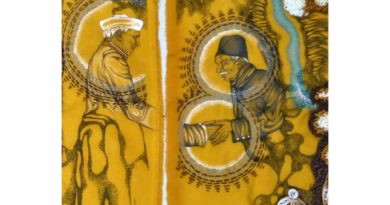
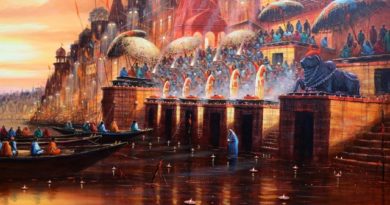
NEW DELHI: Streets, public walls and neighbourhood spaces across India are increasingly becoming platforms for artists to showcase their work, bringing art closer to communities outside conventional galleries.
Several Indian cities have developed distinctive street-art destinations where large murals, painted walls and creative installations have become part of the urban landscape.
The trend has given artists an opportunity to work in public spaces while allowing residents and visitors to experience art as part of everyday surroundings.
Street art has also become a way of reflecting local culture and identity. Artists often use public walls to explore themes connected with history, community life, social issues and the character of a particular neighbourhood.
In some cities, old or otherwise unused walls have been transformed through colourful murals, helping create more visually engaging public spaces.
The growing popularity of street art has also attracted visitors interested in photography, culture and creative experiences. Certain neighbourhoods have become informal art destinations because of the concentration of murals and installations.
For younger artists in particular, public art can provide a platform to experiment with styles and techniques while reaching audiences that may not regularly visit galleries.
The movement is also part of a wider interest in making cities more visually engaging and encouraging community participation in cultural activities.
While traditional galleries and museums remain important for the preservation and presentation of art, public art offers a different way of connecting artists with audiences.
India’s street-art movement continues to evolve as artists combine contemporary techniques with local influences.
The growing presence of murals and public artworks shows how creativity can become part of everyday urban life, turning ordinary walls and streets into spaces for cultural expression.