
Injured Hornbill Receives 3D-Printed Beak Prostheses in Veterinary Breakthrough
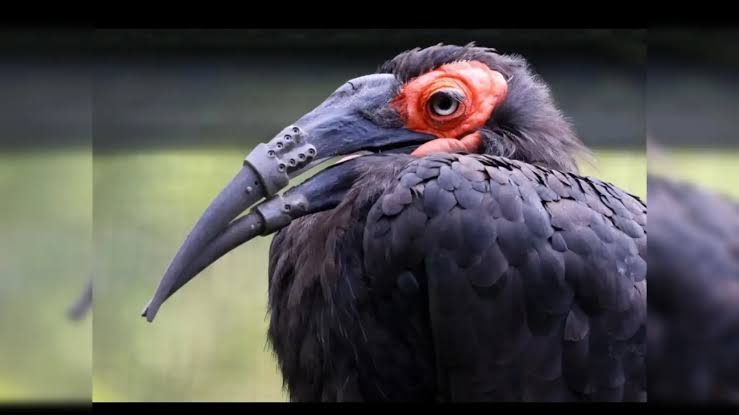
An injured southern ground hornbill at ARTIS Zoo in Amsterdam has received custom-made 3D-printed beak prostheses, marking a significant development in veterinary reconstructive medicine.
The bird underwent a specialised procedure to replace the damaged upper and lower sections of its beak. According to the zoo, the hornbill began using its new prostheses on the same day as the surgery.
The procedure is believed to be the first of its kind in which both parts of a bird’s beak have been reconstructed using 3D-printed prosthetic components.
The treatment was carried out through a collaboration involving ARTIS Zoo, Utrecht University’s Faculty of Veterinary Medicine, UMC Utrecht and medical technology company Amnovis.
The prostheses were developed using a CT scan of the bird and the remaining sections of its original beak. The customised components were manufactured using titanium, a material selected for its strength and suitability for medical applications.
Veterinary surgeons from Utrecht University performed the procedure, while specialists from the participating institutions contributed to the treatment plan and prosthesis design.
A bird’s beak is essential for feeding, grooming and several everyday activities. Severe injuries can affect its ability to obtain food independently and maintain normal behaviour.
Following the surgery, the hornbill reportedly began using its new beak on the same afternoon. The following morning, it was able to pick up a small mouse independently. It also began preening its feathers within a few days.
Veterinary teams will continue to monitor the bird’s recovery to assess the long-term performance of the prostheses.
Experts say customised 3D printing could provide new treatment possibilities for animals with severe injuries. However, the success of such procedures depends on proper fitting, durability, tissue health and rehabilitation.
The development highlights the growing role of advanced manufacturing technologies in animal care and veterinary medicine.


